



KingsFleet - Danish Oil
Danish Oil is a high-quality, natural oil finish that penetrates deep into the grain to enhance, protect, and preserve
Crafted from linseed and tung oil with natural resin, Danish Oil provides a rich, warm glow while offering long-lasting protection for furniture, countertops, cutting boards, and other wooden surfaces.
- Enhances natural grain
- Durable, low-sheen finish
- Water-resistant & food-safe once cured
- Easy to apply & maintain
Whether you're restoring an heirloom piece or finishing a new project, KingsFleet® Danish Oil delivers a beautiful finish that’s both functional and timeless.
Application Instructions
How to Apply KingsFleet Danish Oil
Applying Danish oil is a straightforward process that enhances and protects your wood surfaces with a beautiful, durable finish. Follow these steps for the best results:
Step 1: Prepare the Surface
- Sanding – Begin by sanding the wood to a smooth finish, starting with medium-grit (120-150) sandpaper and finishing with fine-grit (220-320) for a polished surface.
- Cleaning – Remove all dust and debris with a tack cloth or a lint-free rag. Ensure the surface is dry and free from old finishes or wax.
Step 2: Apply the First Coat
Use a lint-free cloth, brush, or sponge to apply the oil in the direction of the grain. Saturate the surface by applying a generous but even coat. Allow the oil to soak in for 15-30 minutes to penetrate the wood fibers. Wipe off excess oil using a clean cloth, ensuring no pools or streaks remain.
Step 3: Let It Dry & Repeat
Allow the first coat to dry for 12-24 hours, depending on temperature and humidity. Apply additional coats (typically 2-4) using the same method, allowing each coat to dry fully before adding the next. Lightly sand with fine steel wool (0000 grade) or 320-grit sandpaper between coats for an ultra-smooth finish.
Step 4: Final Curing & Maintenance
After the final coat, let the finish cure for at least 24-48 hours before regular use. For full hardness and durability, allow 1-2 weeks for the oil to completely cure. Maintain by occasionally reapplying a thin coat as needed to refresh the finish.
Pro Tips for Best Results
- Work in a well-ventilated area to ensure proper drying and safety, and be sure to read all the warning labels on the rear of the product.
- Avoid excessive application—Danish oil works best when absorbed into the wood, not as a thick surface layer.
- Dispose of oil-soaked rags properly by placing them in a sealed, water-filled metal container (to prevent spontaneous combustion).
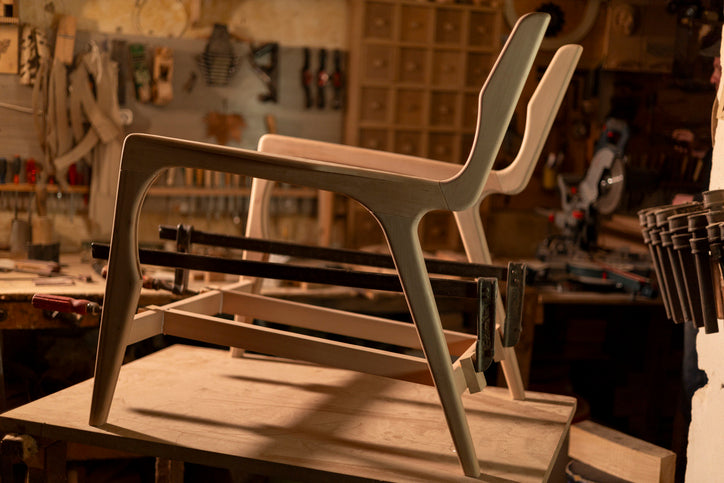
Fine Furniture & Cabinetry
- Perfect for both new and antique furniture, enhancing the wood’s natural grain.
- Provides a smooth finish that resists moisture and everyday wear.
- Ideal for tables, chairs, dressers, and cabinets.
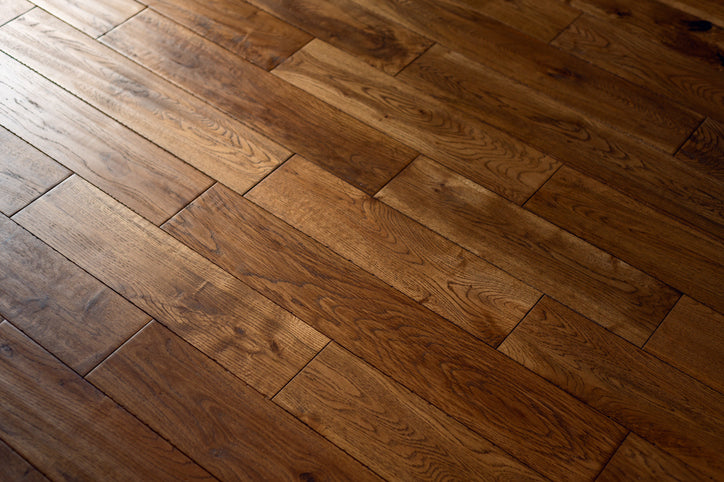
Hardwood Flooring
- Deeply conditions wood floors while adding a layer of protection.
- Helps prevent cracking, drying, and damage from foot traffic (number of coats depends on 'mileage')
- Can be used on both new and refinished (stripped of any previous finish) floors for a rich, long-lasting look.

Exterior Wood (with Additional Sealing)
- Suitable for doors, window frames, and outdoor furniture when paired with an exterior sealer.
- Provides water resistance and some minor UV protection when properly maintained/reapplied when needed. For outdoor wood in direct sunlight, there are better, more dedicated solutions than Danish Oil.
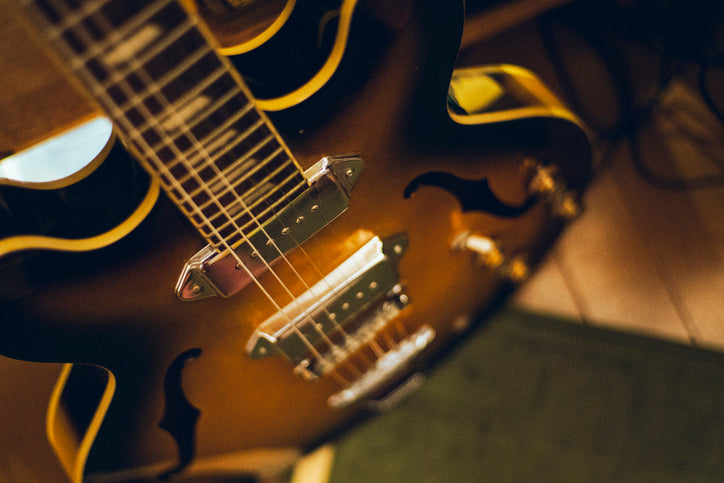
Musical Instruments & Decorative Woodwork
- Can be used by luthiers and woodworkers for establishing the finish on wooden instruments.
- Great for decorative carvings, wooden picture frames, and wall paneling.
Frequently Asked Questions about Danish Oil
Can Danish Oil be used on outdoor furniture?
Can Danish Oil be used on outdoor furniture?
Yes, but for outdoor projects, it's recommended to topcoat with an exterior sealer or reapply Danish Oil periodically for ongoing protection against weathering.
Can I apply Danish Oil over an existing finish?
Can I apply Danish Oil over an existing finish?
No, Danish Oil is designed to penetrate raw or sanded wood. If applied over a sealed surface (such as lacquer, polyurethane, or paint), it will not absorb properly. Always remove old finishes before applying.
How do I maintain a Danish Oil finish?
How do I maintain a Danish Oil finish?
- Dust and clean regularly with a dry or slightly damp cloth.
- Avoid harsh chemicals that can strip the finish.
- Reapply a thin coat twice a year (or as needed) to restore luster and protection.
Is Danish Oil waterproof?
Is Danish Oil waterproof?
Danish Oil is water-resistant but not fully waterproof. It helps repel moisture but may need reapplication over time for continued protection, especially in high-use or humid environments.
Will Danish Oil darken the wood?
Will Danish Oil darken the wood?
Yes, Danish Oil only very slightly deepens and enriches the natural color of the wood, highlighting the grain. However, it does not dramatically alter the wood’s tone like stains or pigmented finishes.